
45 museums in Bizkaia

LAND
November 2026
Bizkaia offers a huge range of culture and museums, with 45 museums and galleries spread throughout the territory.
From contemporary art, historical heritage, nature and traditions to sacred art and industry, plus countless other fascinating collections.
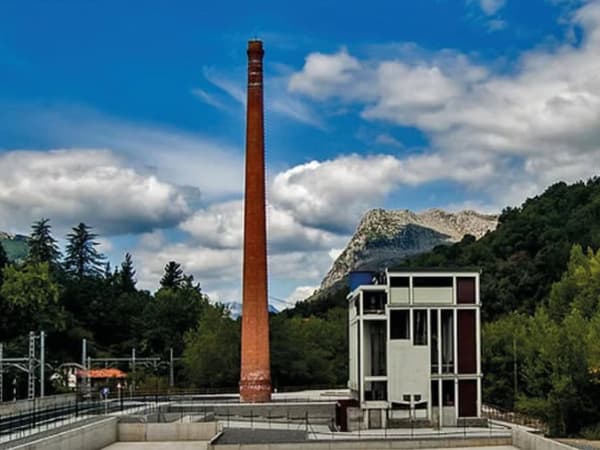
Former Dolomite Factory Museum
(Karrantza)
A former dolomite firebrick factory in Ranero, now a museum. It preserves its large kilns and explains the industrial process and workers’ lives in this corner of Karrantza.
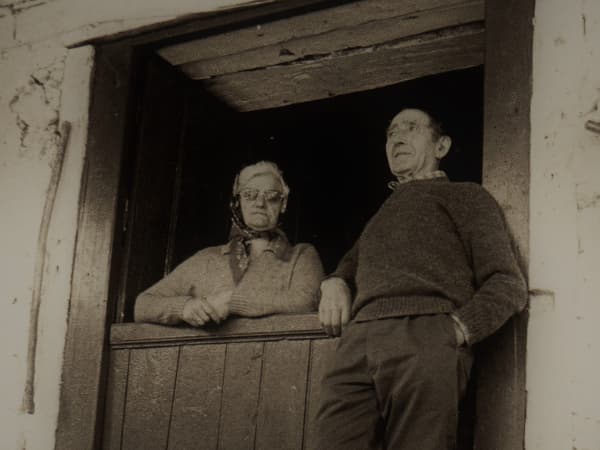
Antzasti Museoa
(Artaun)
A farmhouse museum devoted to Basque rural culture. It shows what life was like in the baserri and its traditional crafts, with pre-booked visits and tastings of local produce.
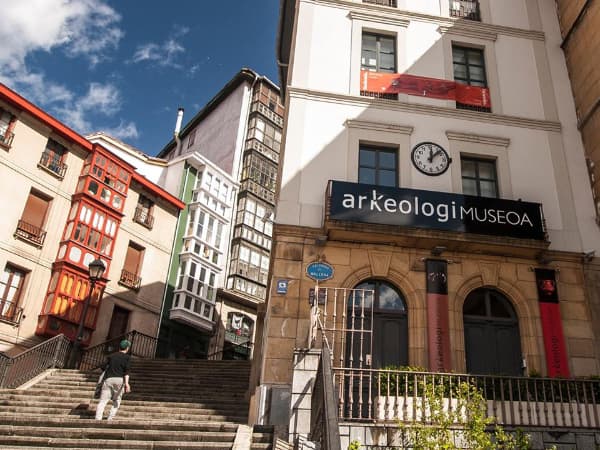
Arkeologi Museoa
(Bilbao)
Housed in the old Lezama railway station in the Old Town, it covers more than 100,000 years of Bizkaia’s history through original pieces, audiovisuals and interactive displays.
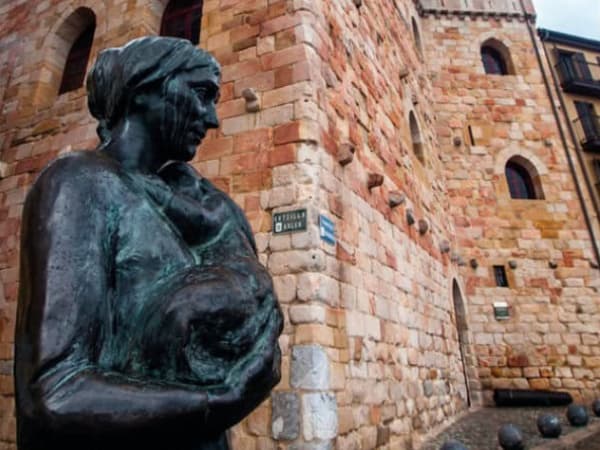
Arrantzaleen Museoa
(Bermeo)
In Ercilla Tower, a medieval tower house, the Fishermen’s Museum tells the story of Basque fishing: boats, fishing gear and the lives of Bermeo’s seafaring families.
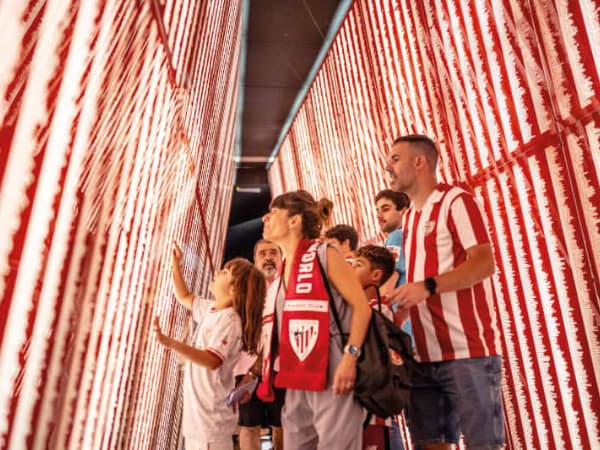
Athletic Club Museum
(Bilbao)
Inside San Mamés stadium, it covers more than 125 years of Athletic Club history with around 500 original objects. The visit can be combined with a stadium tour.
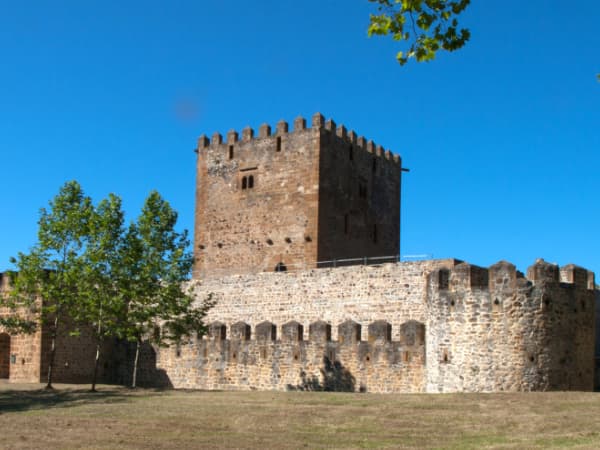
Muñatones Castle
(Muskiz)
A 14th-century castle in the Somorrostro valley, linked to the Salazar lineage. Its tower and walled enclosure recall the feuds of medieval Bizkaia.
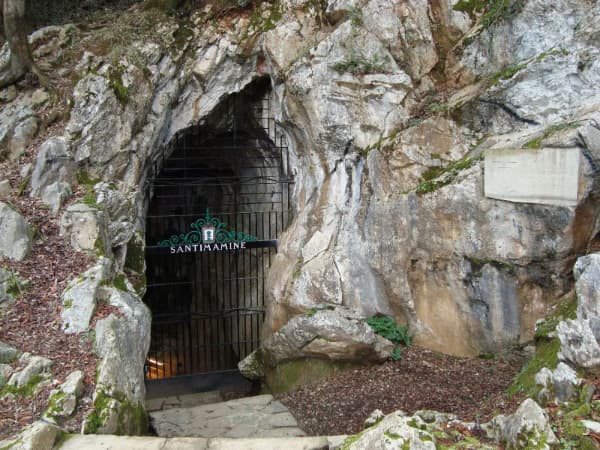
Santimamiñe Cave
(Kortezubi)
Home to some of the most important cave paintings in the Basque Country, a UNESCO World Heritage Site. It is visited through a 3D virtual reproduction of the cave and a walk around its surroundings.
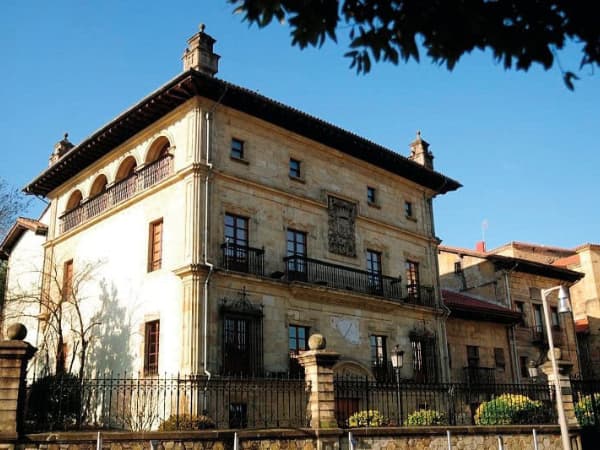
Museo de Arte e Historia
(Durango)
In Etxezarreta Palace, it brings together the art and history of Durango and its district. Its highlight is a model of the town in the 15th century. Admission is free.
Museum of Sacred Art
(Bilbao)
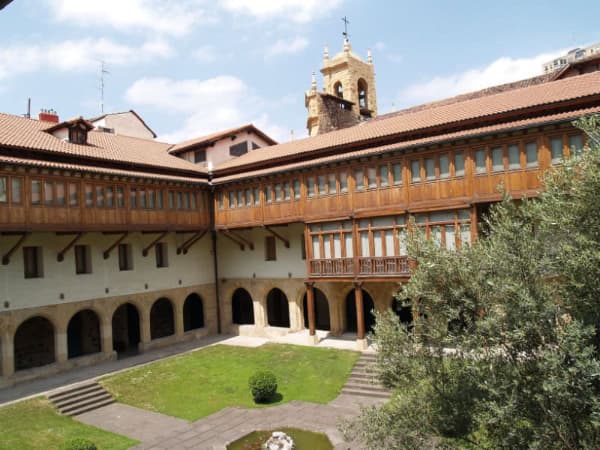
Set in the former Convent of the Incarnation in Atxuri, it gathers religious silverwork, painting, sculpture and textiles from Bizkaia, from the Middle Ages to the 20th century.
Fine Arts Museum
(Bilbao)
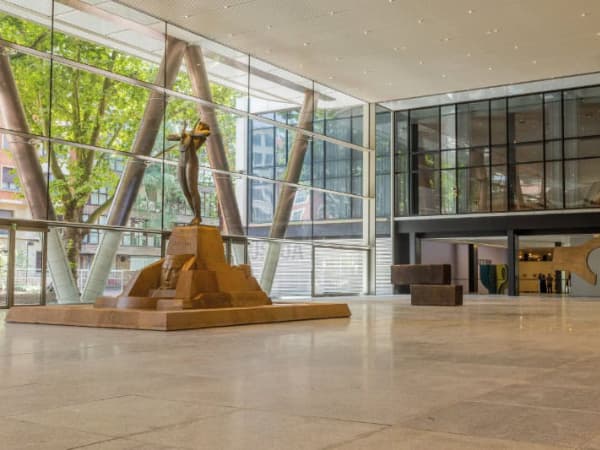
One of Spain’s great art museums, with works from the 12th century to today: from El Greco and Goya to Gauguin, Bacon and leading Basque artists. It has just opened its extension, Agravitas.
Balmaseda History Museum
(Balmaseda)
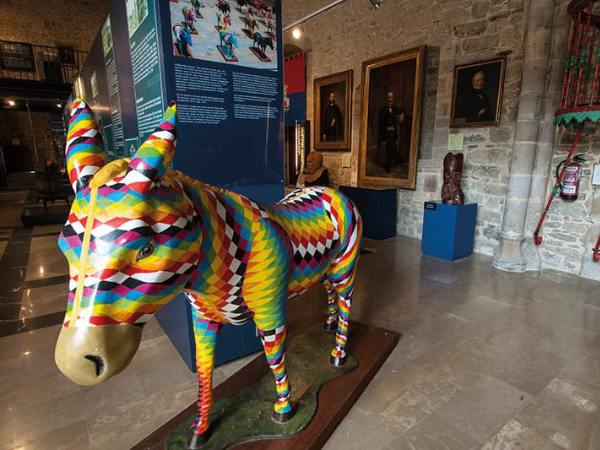
Set in the former church of San Juan del Moral, it covers more than 800 years of history of Bizkaia’s first chartered town: art, documents and objects, the Living Passion and traditional crafts such as carpentry and copper beating.
Andrés de Urdaneta Natural History Museum
(Loiu)
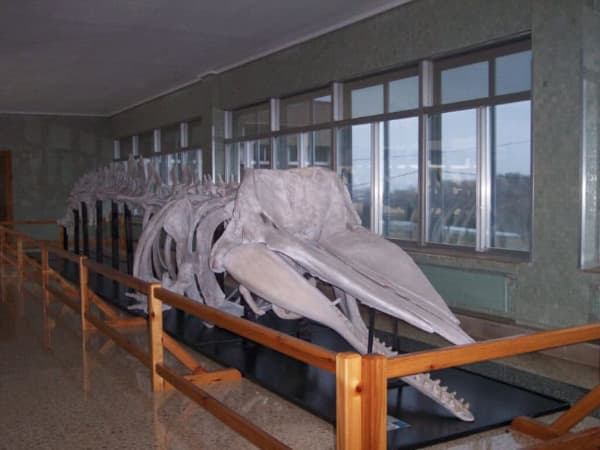
A natural history museum devoted to science outreach, with collections of fauna, fossils and minerals. Ideal for school and family visits.
Basque Mining Museum
(Gallarta)
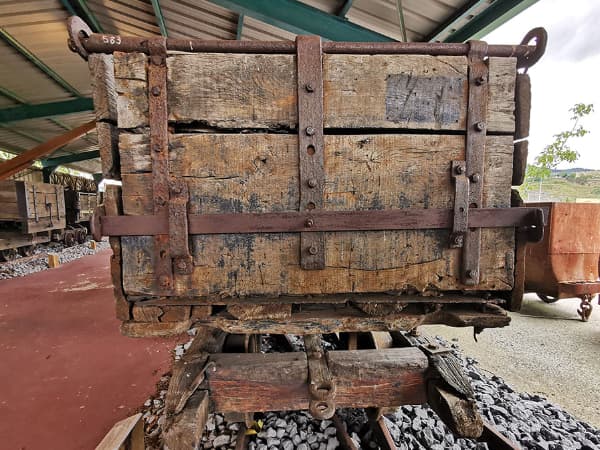
In Gallarta, next to the old open-pit mine, it tells the story of the iron mining that transformed the Left Bank: tools, machinery and the hard lives of the miners.
Living Passion Museum
(Balmaseda)
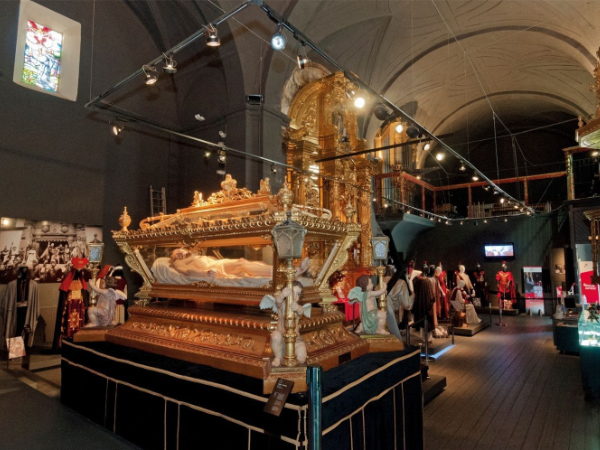
In the church of the former Santa Clara convent, it displays costumes, objects and images from Balmaseda’s Living Passion, declared of National Tourist Interest.
Museum of Las Encartaciones
(Sopuerta)
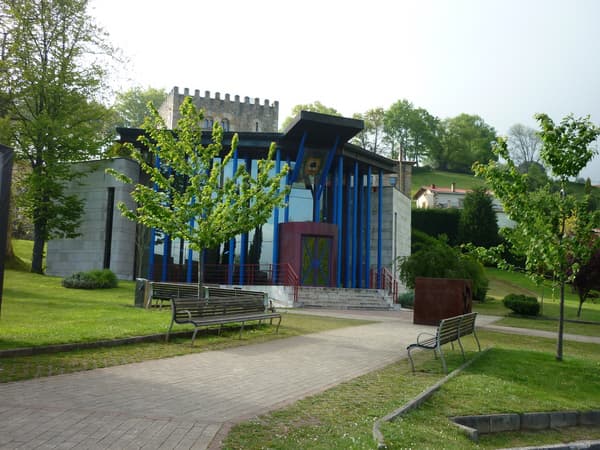
In the Avellaneda Assembly House, former seat of government of Las Encartaciones, it explains the history, landscape and institutions of this district of Bizkaia.
Orduña Museum
(Orduña)
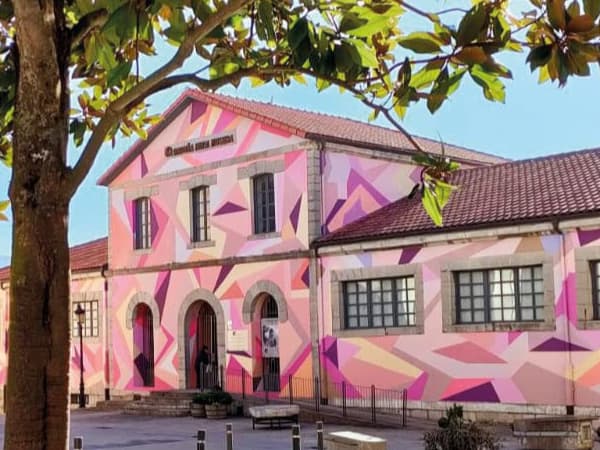
It traces the history of Bizkaia’s only city and its role as a customs post and trading hub on the route between the Castilian plateau and the coast, with objects, documents and audiovisuals.
Orozko Museum
(Orozko)
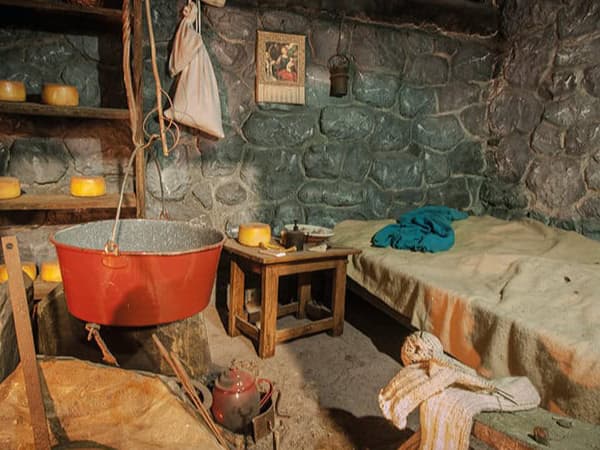
An ethnographic museum showing traditional life in the Orozko valley, at the foot of Gorbeia: shepherding, snow wells, ironworks and everyday life in the farmhouse.
Holy Week Floats Museum
(Bilbao)
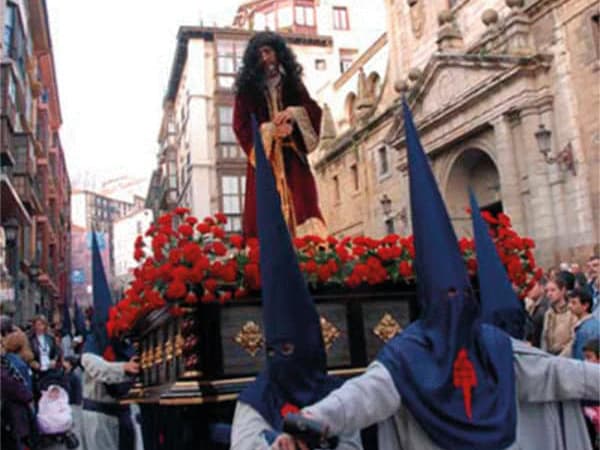
It brings together the processional floats of Bilbao’s Holy Week, with carvings from the 17th to the 20th century, and explains the history of the town’s brotherhoods.
Museum of Reproductions
(Bilbao)
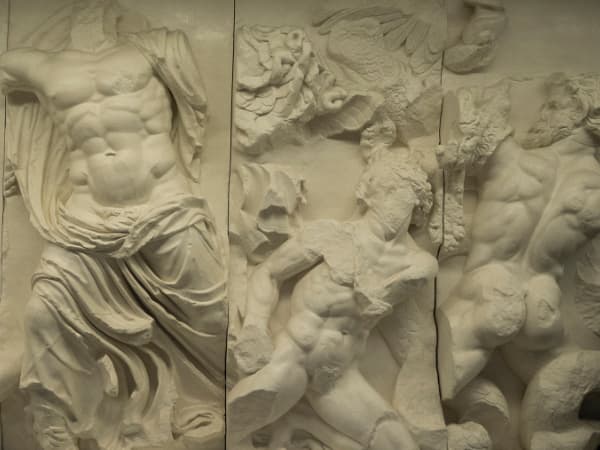
It exhibits reproductions of great works of classical and Renaissance sculpture, a unique collection created to train artists and bring universal art to Bilbao.
Museum of Basque Nationalism
(Bilbao)
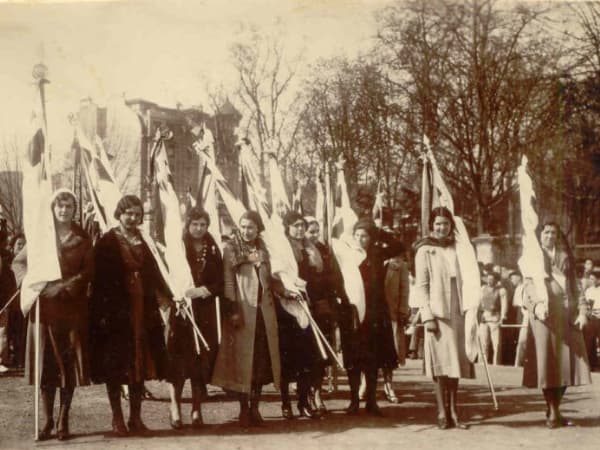
Run by the Sabino Arana Foundation, it traces the history of Basque nationalism through original documents, photographs and objects.
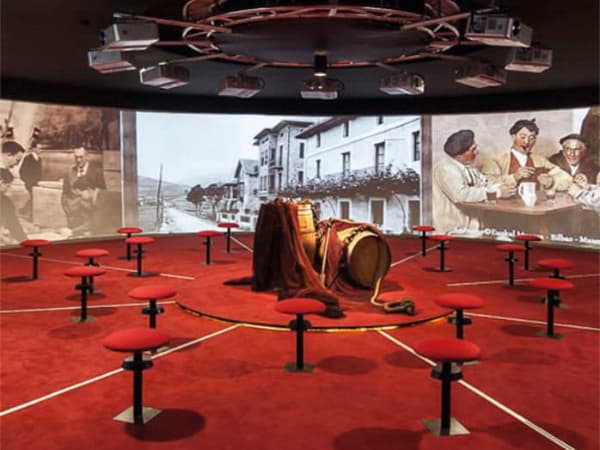
Txakoli Museum
(Bakio)
Txakolingunea explores the history, vineyards and making of txakoli through audiovisuals and interactive displays. Some visits include a tasting of Bizkaia txakolis.
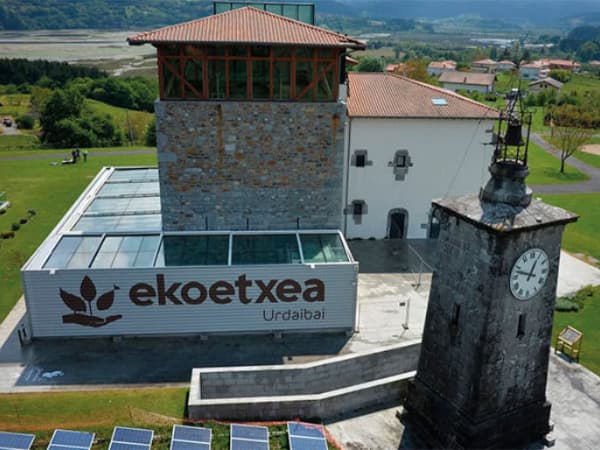
Ekoetxea Urdaibai
(Urdaibai)
In Busturia, this Urdaibai Biosphere Reserve centre explains the area’s biodiversity and has an observation tower with 360-degree views over the estuary.
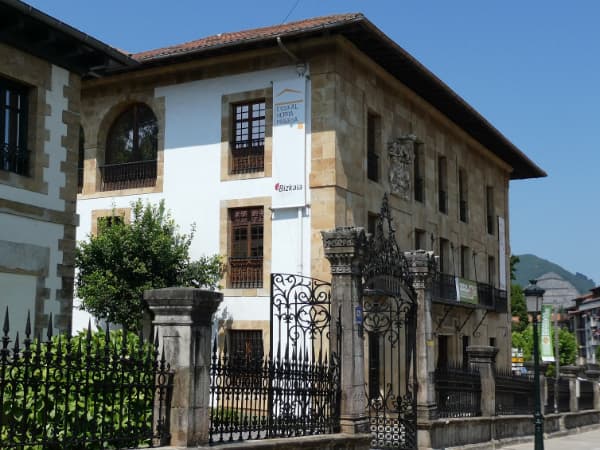
Euskal Herria Museum
(Gernika)
In Alegría Palace in Gernika, next to the Assembly House and the Tree, it explores the history, culture and institutions of the Basque people.
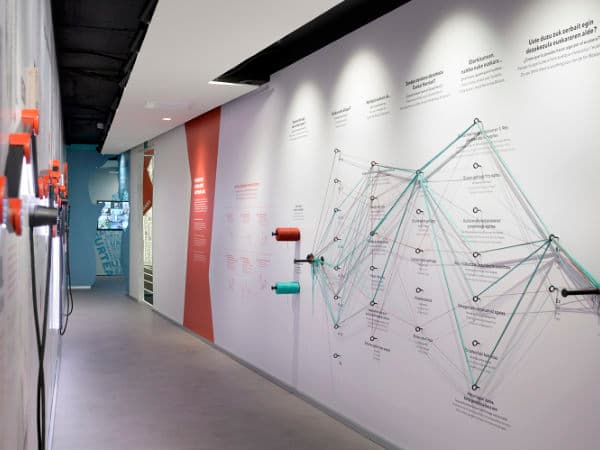
Euskararen Etxea
(Bilbao)
The House of the Basque Language is an interactive space to discover the history of Euskara, its dialects and its presence around the world, with activities for all ages.
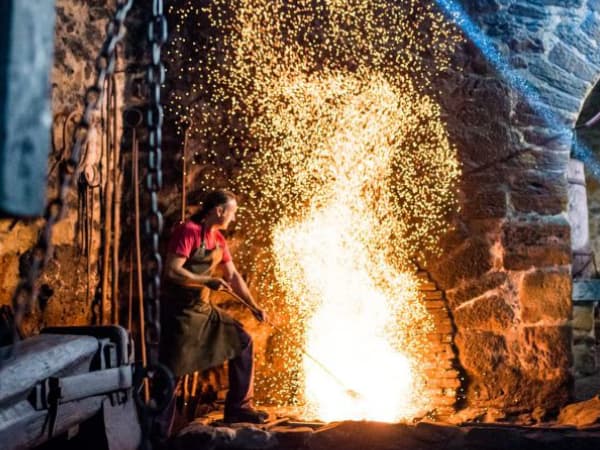
Ferrería el Pobal
(Muskiz)
A 16th-century ironworks that still works: its water-powered hammer forges iron again in demonstrations showing how the old Basque ironworks operated.
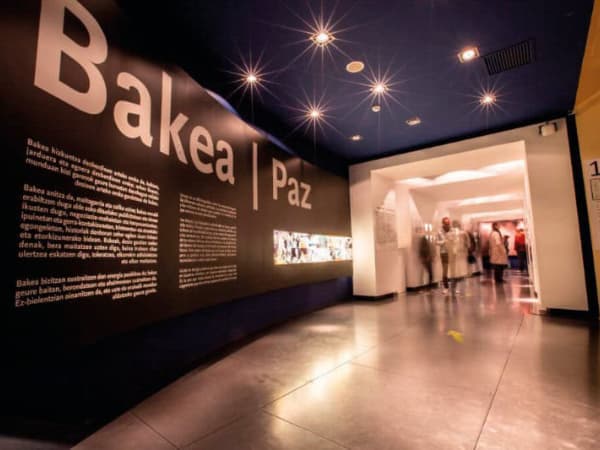
Gernika Peace Museum
(Gernika)
A museum devoted to the culture of peace and human rights, inspired by the bombing of Gernika on 26 April 1937. It has a documentation centre on the bombing.
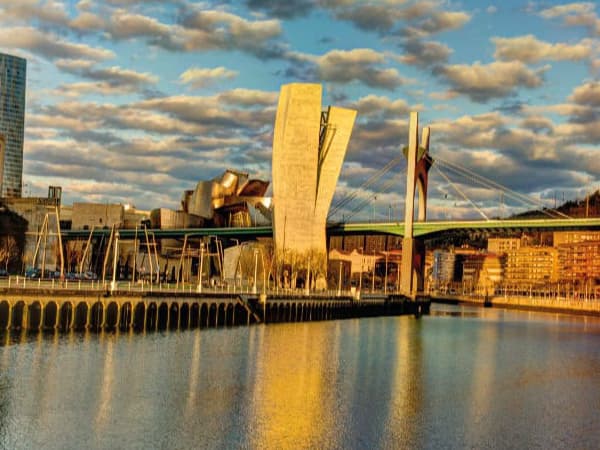
Guggenheim Museum
(Bilbao)
Frank Gehry’s titanium building, opened in 1997, is the symbol of modern Bilbao. It hosts modern and contemporary art exhibitions and iconic works such as Richard Serra’s sculptures.
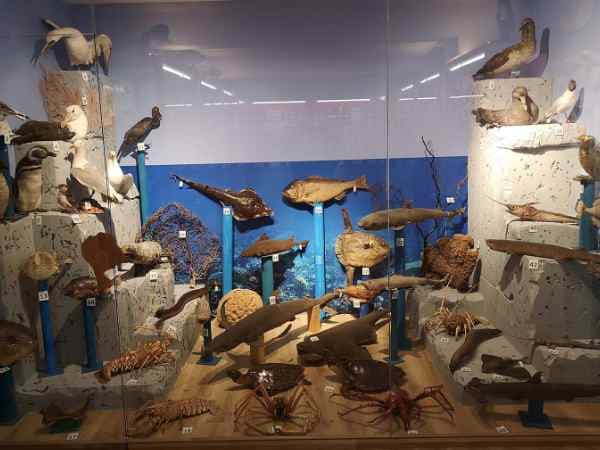
Hontza Museoa
(Mañaria)
A natural science museum with collections of minerals, fossils and insects, and a space devoted to the surroundings of Urkiola Natural Park.
Itsasmuseum
(Bilbao)
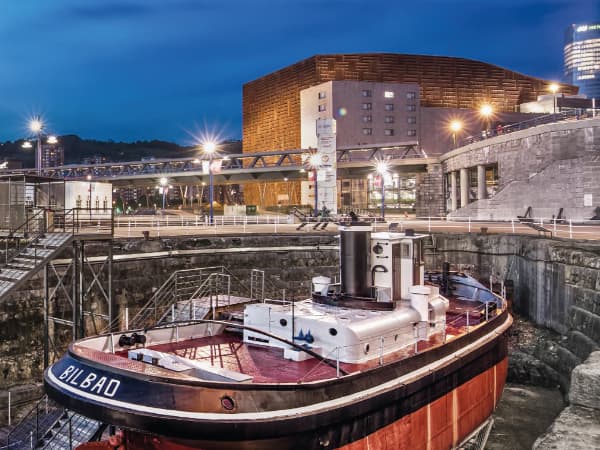
The maritime museum occupies the former Euskalduna shipyards on the estuary. It traces the naval and port history of Bizkaia and preserves the dry docks and the Carola crane outside.
Kurutzesantu Museoa
(Durango)
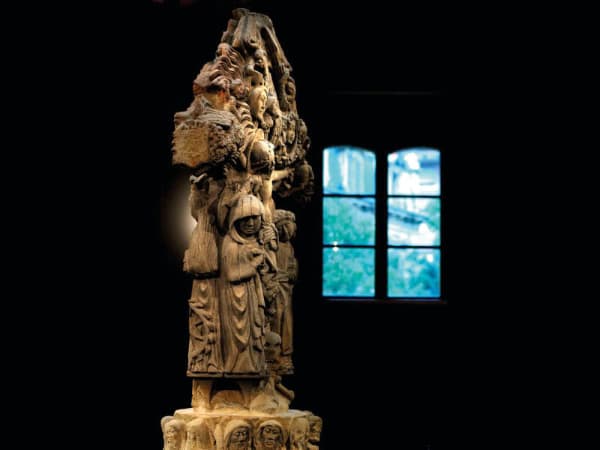
It houses the Kurutziaga Cross, a late 15th-century Gothic cross decorated with scenes of the Redemption. It shares a building with Durango’s tourist office.
La Encartada Fabrika Museoa
(Balmaseda)
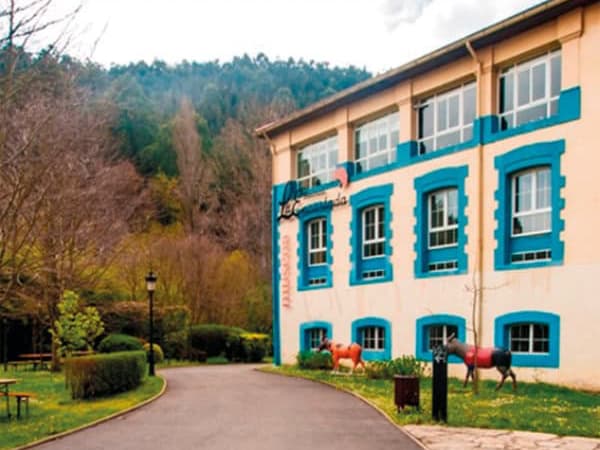
A beret factory founded in the late 19th century that keeps its machinery and facilities intact. A journey back to the beginnings of industrialisation in the Basque Country.
Margarita María Museum
(Berriz)
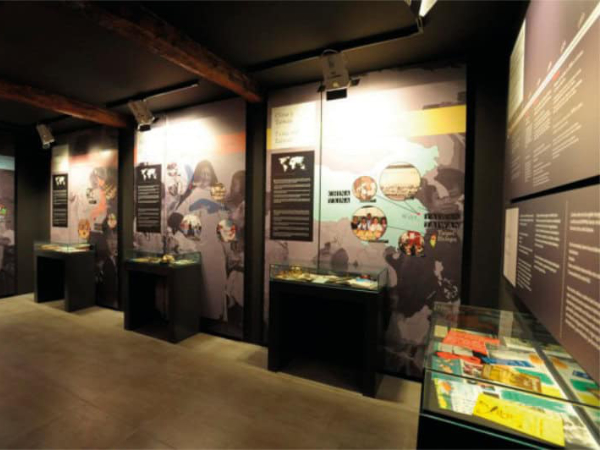
Devoted to Blessed Margarita María López de Maturana, founder of the Mercedarian Missionaries of Berriz, it shows her life and the congregation’s missionary work.
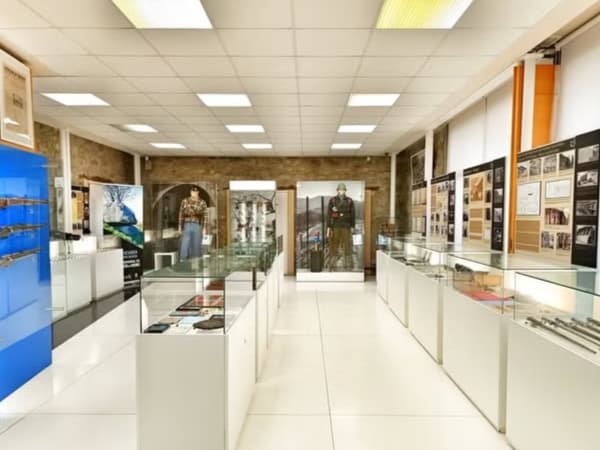
Iron Belt Memorial
(Berango)
It explains the defensive line that surrounded Bilbao during the Spanish Civil War, with bunkers, trenches and testimonies from those who lived through it.
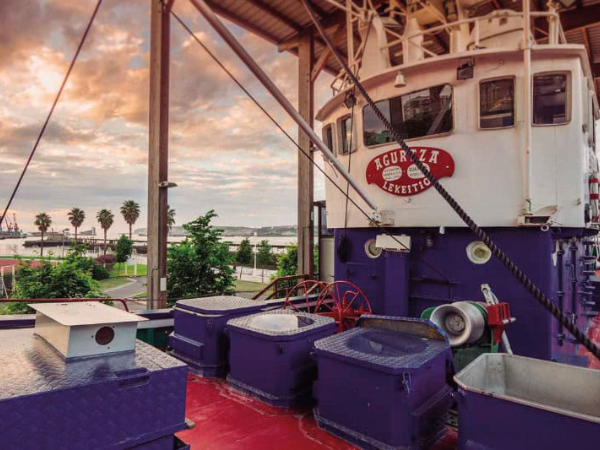
Agurtza Fishing Boat
(Santurtzi)
A restored inshore fishing boat turned into a floating museum. Walking through it you discover what life on board was like for Basque fishermen.
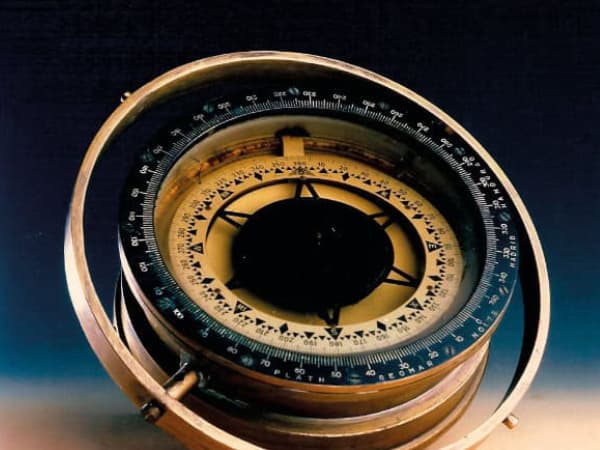
Plasentia Butron Museoa
(Plentzia)
In Plentzia’s historic centre, it traces the history of the town, its port and its relationship with the sea through objects, documents and models.
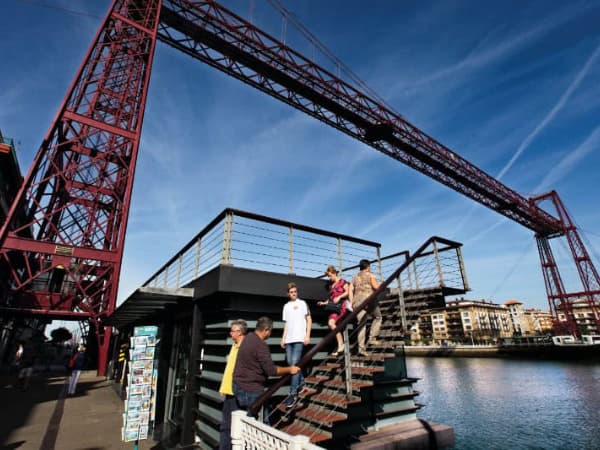
Puente Bizkaia
(Portugalete)
The world’s first transporter bridge, opened in 1893 and a UNESCO World Heritage Site. You can cross in its hanging gondola or along the upper walkway, 50 metres high.
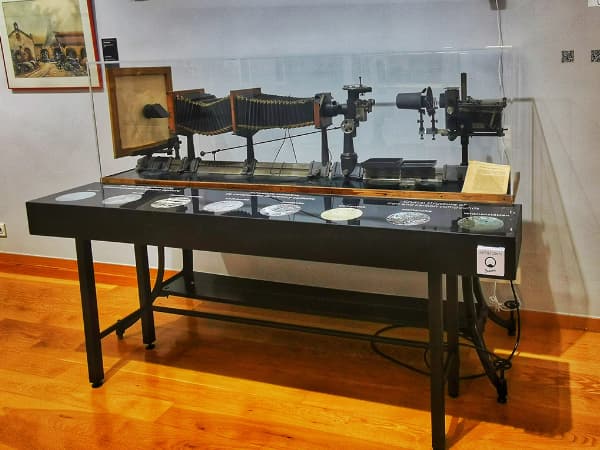
Rialia Museum of Industry
(Portugalete)
Beside the estuary, it explains the industrial history of the Left Bank: steelworks, shipyards and the lives of the workers who drove Bizkaia’s development.
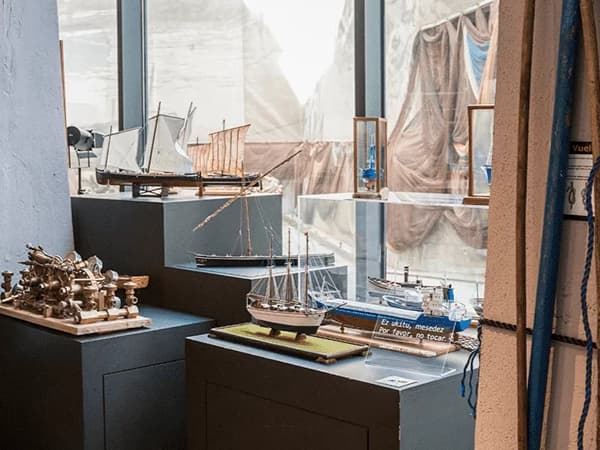
Santurtzi Sea Museum
(Santurtzi)
It tells Santurtzi’s seafaring story: its port, fishing, trade and the famous sardineras who sold fish in the streets of Bilbao.
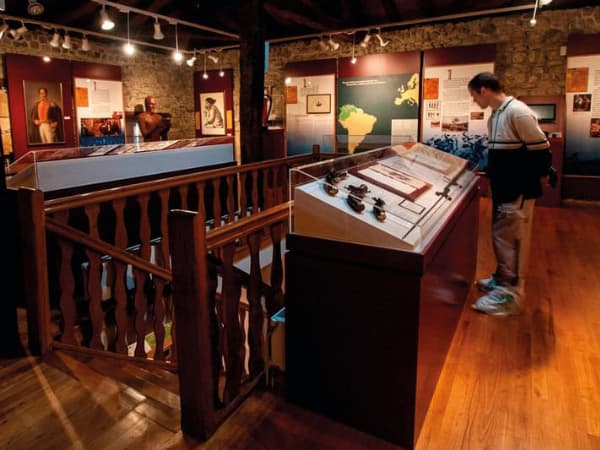
Simón Bolívar Museum
(Bolívar)
In the land of Simón Bolívar’s ancestors, it looks at the life of the Liberator of several American nations and at the lives of Biscayans in the Middle Ages.
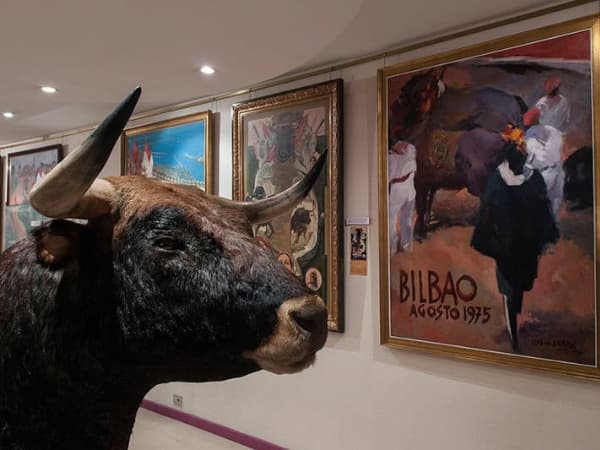
Bullfighting Museum
(Bilbao)
Next to the Vista Alegre bullring, it gathers suits of lights, posters and objects linked to Bilbao’s bullfighting history and its Corridas Generales.
Torre Loizaga
(Galdames)
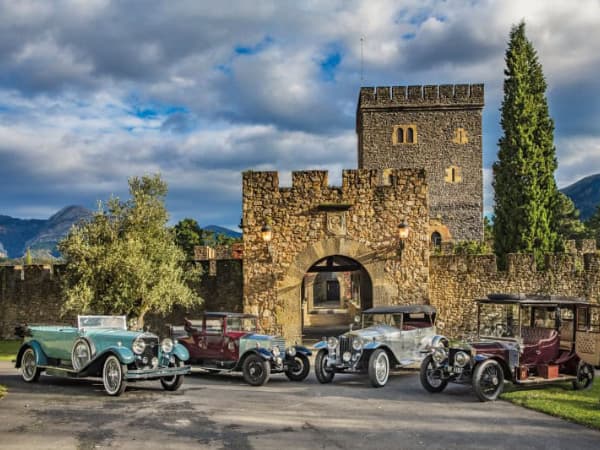
A medieval fortress surrounded by vineyards, home to the most complete Rolls-Royce collection in Europe, with models built between 1910 and 1990. Open on Sundays and public holidays.
Urdaibai Bird Center
(Gautegiz Arteaga)
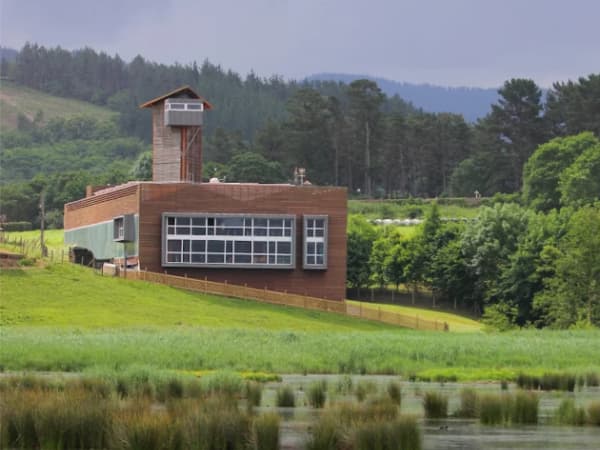
Known as the airport for birds, it lets you watch migratory birds in the Urdaibai marshes from its viewpoints and learn about ringing and conservation.
Valentín Berri-Otxoa Museum
(Elorrio)
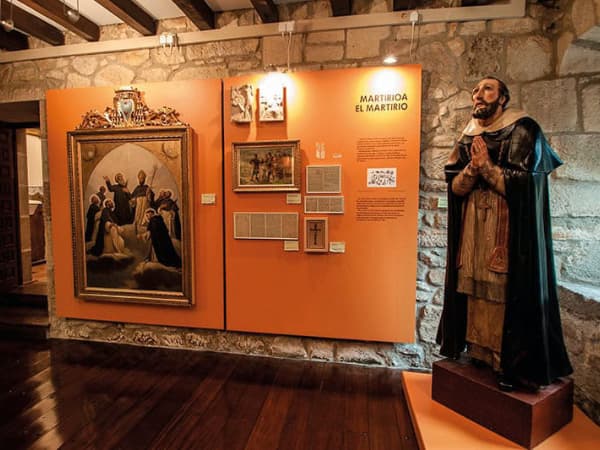
It remembers Saint Valentín de Berriotxoa, a Dominican missionary born in Elorrio and martyred in Vietnam in 1861, with objects, documents and mementoes of his life.
Euskal Museoa Bilbao Basque Museum
(Bilbao)
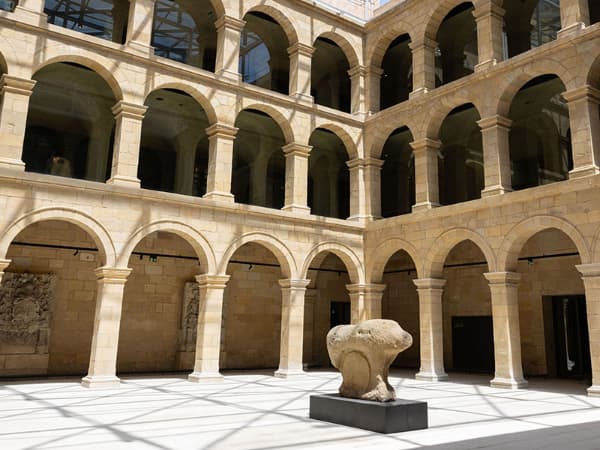
In the former San Andrés college in the Old Town, it explores the ethnography and history of the Basque Country. Its cloister holds the enigmatic Idol of Mikeldi.
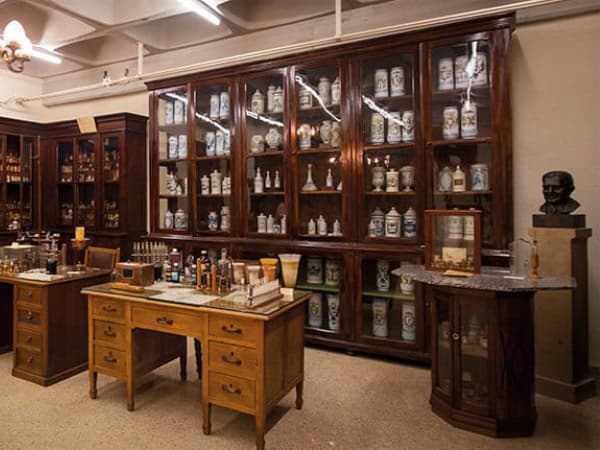
Basque Museum of the History of Medicine
(Leioa)
On the UPV/EHU campus in Leioa, it gathers 19th- and 20th-century medical and scientific instruments used in hospitals and surgeries in the Basque Country. Founded in 1982 by José Luis Goti.

ENTRE MUSEOS
RESTAURANT
Homemade food and locally sourced products.
Breakfast, an à la carte menu with seasonal products, and special menus.

NEW MÓNACO
BAR RESTAURANT
A la carte breakfats portions and daily specials
You may be interested…
Bilbao, city of museums
A cultural network spanning more than 110,000 square metres of floor space
Bizkaia All Ways: a campaign to travel your way
Lots of people, lots of ways to travel

10 nature plans for autumn 2026 in the Basque Country
This autumn, we invite you to breathe in nature