
Curiosities about Bilbao’s Old Quarter

AIR
January 2026
THE INVISIBLE CITY WALL, A TILE WITH A VIEW OF THE VIRGIN, AND A DONATION BOX IN THE STREET
Bilbao’s Old Quarter is the beating heart of the city. The town was founded in that area, which was defined by a loop in the river, a bridge and a river port. From there, it grew, flourished and expanded until it absorbed the neighbouring municipalities of Begoña, Abando and Deusto –now busy neighbourhoods– and it is in this intricate urban fabric full of flavour that it continues to thrive.
You won’t see it as you stroll around, but the city had its own wall for centuries.
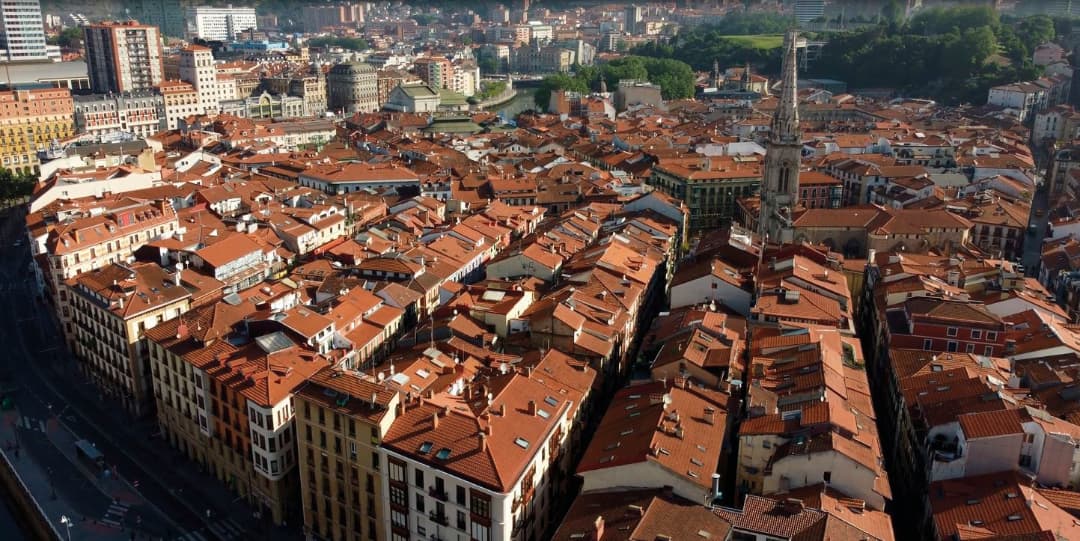
According to historian Aitor González, it stretched 964 metres long, 7 metres wide and was over a metre and a half thick.
It began on Somera Street, ran along the Ribera, entered Pelota Street, passed through Perro, Lotería, Banco de España, Santos Juanes, where the famous Portal de Zamudio opened, and closed its perimeter on Ronda Street. It had 12 gates and two wicket doors.
As the city grew, sections of the wall had to be demolished in the 15th century. It disappeared in the 18th century. Completely? No. Traces of it remain visible inside the church of San Antón. And also in the walls of number 13 Ronda Street, so called because soldiers guarding the town used to patrol there. There are also some remains at the beginning of Artekale, where a niche marks the spot where one of the gates in the wall used to be.
Pelota Street owes its name to the fact that the last remaining sections of the city wall served as a improvised pelota court for many years.
Fierce pelota matches were played there. Where this street meets Santa María Street stands a beautiful Baroque palace with a striking façade. You will see it because it is one of the liveliest spots in Bilbao at any time of day. This is the Yohn Palace, which has its own history and now serves as a municipal civic centre. Inside, it hides more remains of the wall.
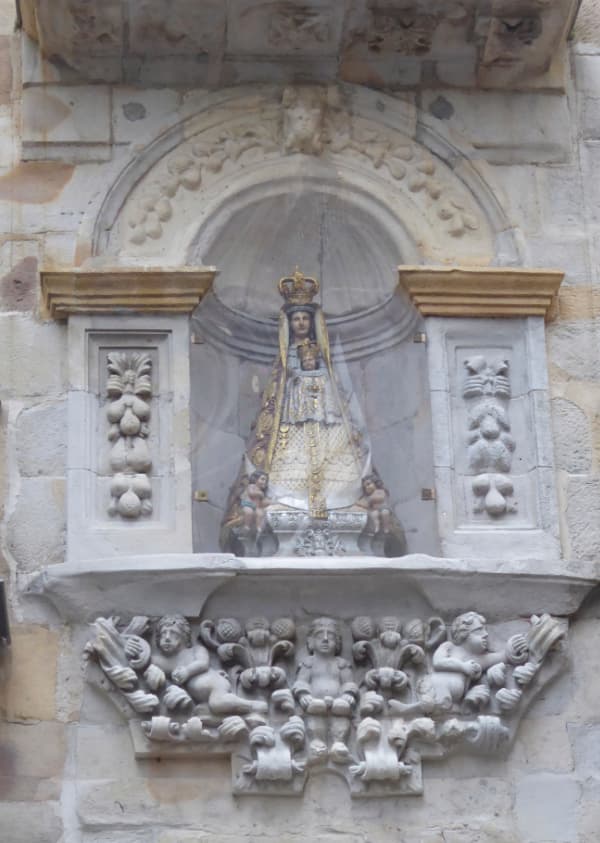
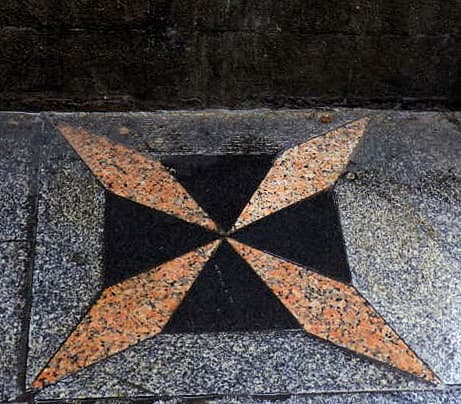
In front of the palace, at the cantón of Pelota and Santa María, there is a paving stone that is clearly different from the rest of the pavement. Anyone standing on that tile, with their back against the wall, will not only see the beautiful niche of the Virgin of Begoña on the palace façade, but also, beyond it, silhouetted against the sky, the bell gable of the distant Basilica of Begoña.
It is the only spot in the Old Quarter where you can get such a view.
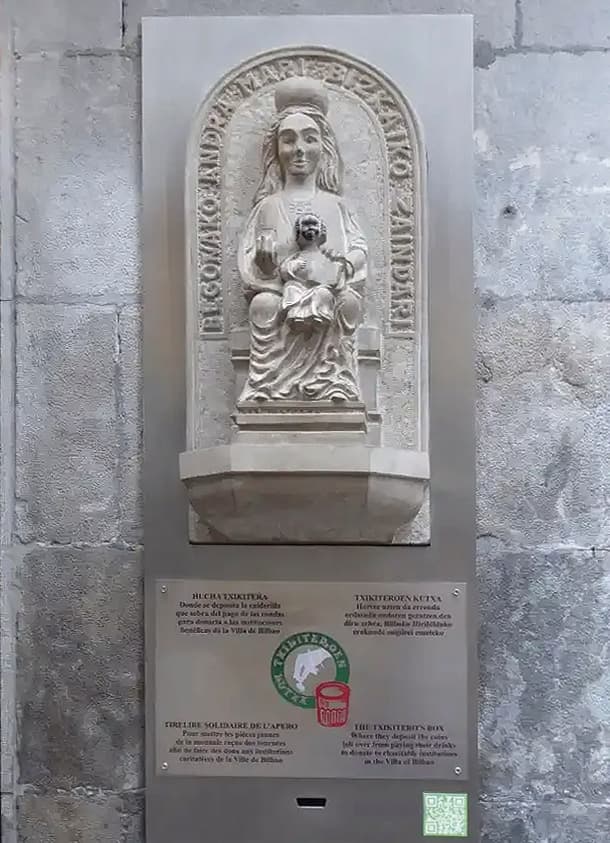
Right on the wall above the tile, there is a slot with an inscription. It is the hucha txikitera.
There is a tradition that groups of friends who go out for a drink in the area put the rest of the last bote (a common fund to which several people contribute to cover shared expenses of the group) of the day into this money box. The money collected is counted annually and then donated to charity.

TXAKOLI BALLANO
RESTAURANT
Traditional Basque food. Specialising in fish and meat. Seasonal local produce.

RIO OJA
RESTAURANT
Traditional Basque Casseroles, meat and fish dishes
Calle Perro 4 – Casco Viejo
Tel : 944 150 871
You may be interested…

Artxanda Funicular
The ‘Funi’, is one of the symbols of the city.

Do you know basque?
Euskaltzaindia is the official academic institution that watches over Basque language.
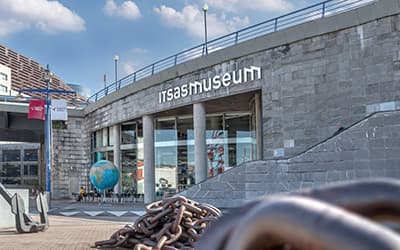
Itsasmuseum
The Bilbao Maritime Museum