
The ‘amamas’ of Basque cuisine

SOUL
October 2025
Meet the “amamas” (grandmothers) of Basque haute cuisine. Felipa Eguileor (El Amparo, Bilbao), Florentina Inchausti and Nicolasa Pradera are the pioneers who, using tradition and local produce, laid the foundations for the successful cuisine of the Basque Country.
You are most likely familiar with the names of the great chefs who bring prestige to our current cuisine. These chefs get awarded all the time. They top international culinary reference lists such as Michelin and 50 Best Restaurants.
Research in the kitchen, constant work, talent and access to top-quality raw materials go some way to explaining their success. But there is another factor: the tradition of good cooking, both at home and in restaurants.
Three names stand out in a history that dates back to the 19th century. They are the “amamas” (grandmothers, in Basque) of great Basque cuisine.
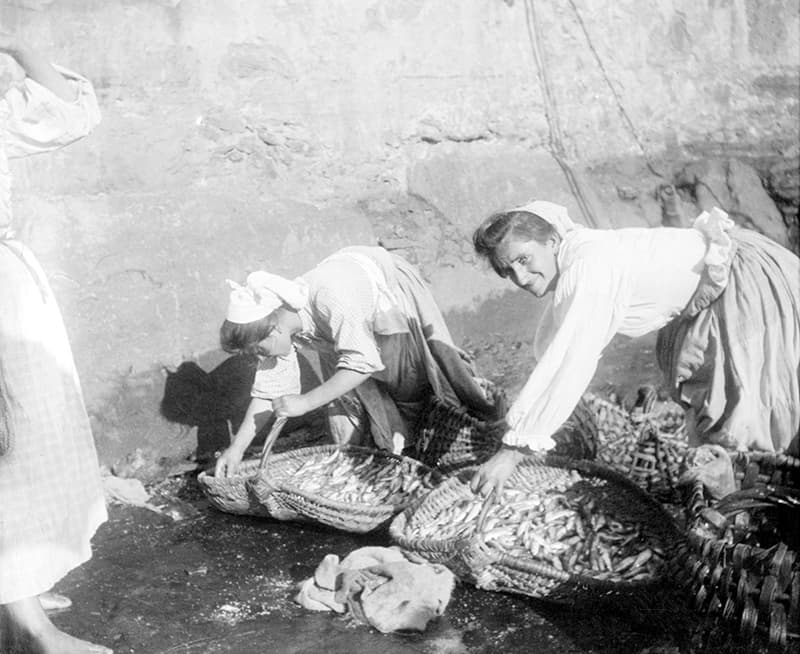
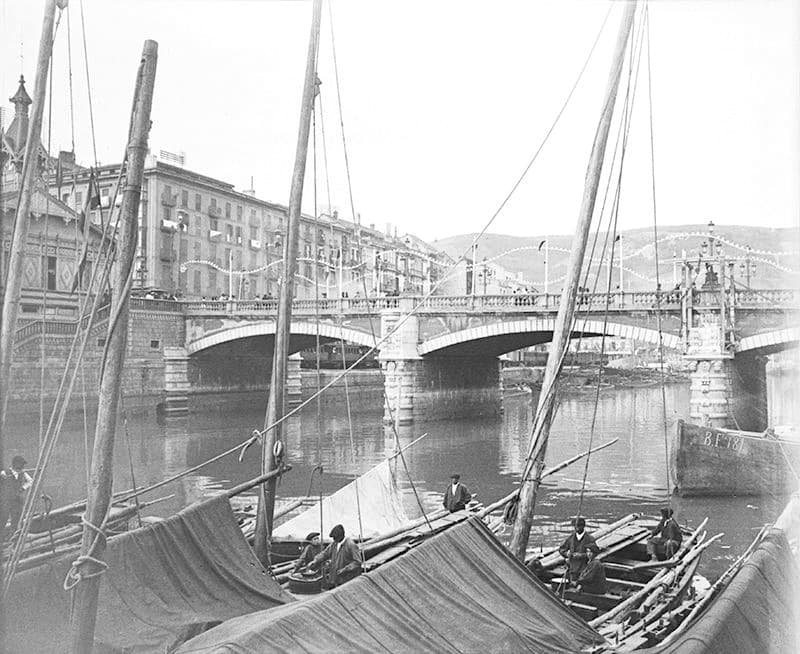
FELIPA EGUILEOR AND EL AMPARO
El Amparo was the restaurant that changed the way people understood cuisine in Bilbao. It achieved this from the mining district of La Concepción. It opened in 1879 and its dining room was a meeting place until 1918. It was run by Felipa de Eguileor and her daughters Vicenta, Úrsula and Sira.
In 1930, El Amparo’s recipe book was published, which already blended tradition with the modern cuisine of the time, French cuisine. Felipa had a catering service and worked exclusively with locally sourced products. So much so that she sourced her ingredients from a vegetable garden that they grew in the city. They developed four sauces: txipironada, pil pil, green and vizcaína. Their legacy remains everlasting.
FLORENTINA INCHAUSTI
She founded the Florentina Cooking Academy in Bilbao just over a century ago, after working as an assistant to a prestigious Italian chef at the palace of the Marquis of Chávarri. In 1930, she opened her academy and the Elcano restaurant. By then, she had already published her Cookbook in 1925, which was reprinted several times.
Today, it can be found in bookshops as Libro de cocina. La cocina bilbaina 1925 (Cookbook: Bilbao cuisine 1925). Its cover states that it is “an indispensable guide for those who wish to discover and enjoy authentic traditional Basque cuisine”.
MARÍA MESTAYER DE ECHAGÜE, THE MARQUISE OF PARABERE
She was born in Bilbao in 1877, the daughter of a French diplomat and granddaughter of a banker from Bilbao. Her interest in cooking came after she got married. She researched, experimented and ended up giving lectures and publishing a famous book, La cocina completa (A Complete Cookbook), which was a huge success. She ran a haute cuisine restaurant in Madrid, El Parebere.
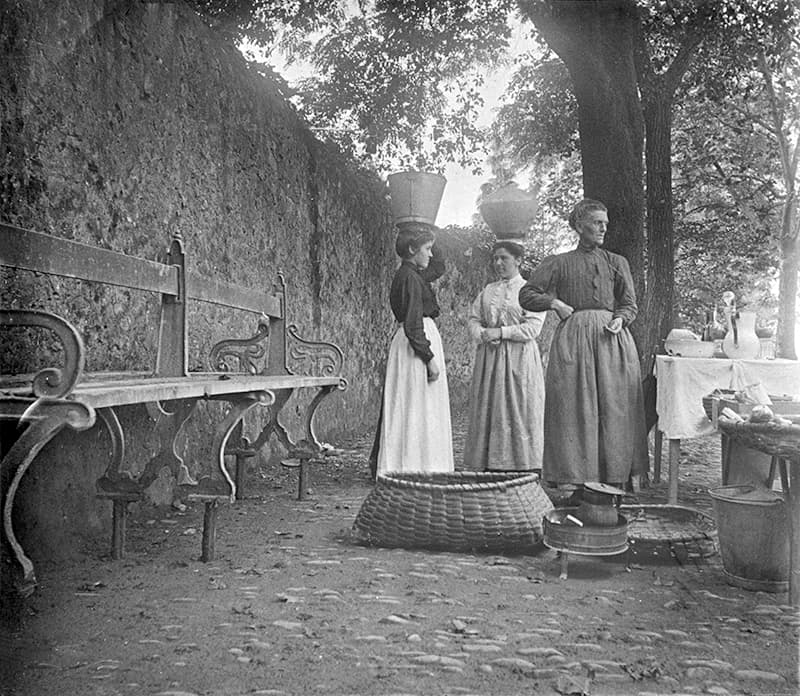
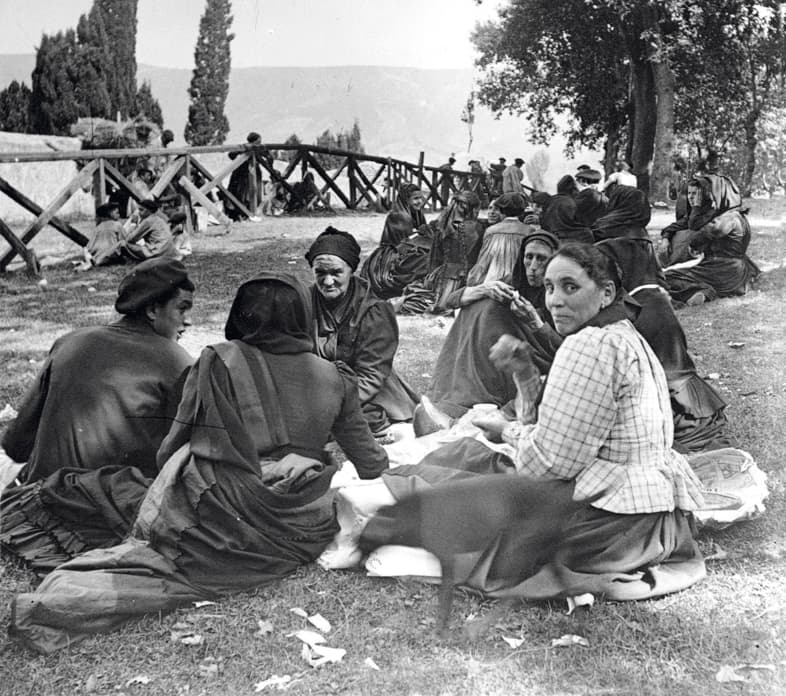
NICOLASA PRADERA
Born in 1870 in the town of Markina-Xemein in Bizkaia, Nicolasa Pradera worked as a kitchen assistant for the family who owned the Patrokua Palace in her hometown from the age of 20. In 1912, she left the palace and opened a restaurant in Donostia-San Sebastián, Casa Nicolasa, which she sold in 1930 to open another restaurant on the Paseo de La Concha.
At the same time, she published the book La cocina de Nicolasa (Nicolasa’s Cooking), published in more than twenty editions. In 1940, at the age of 70, she opened Nicolasa in Madrid. Her influence on today’s cookbooks is undeniable.
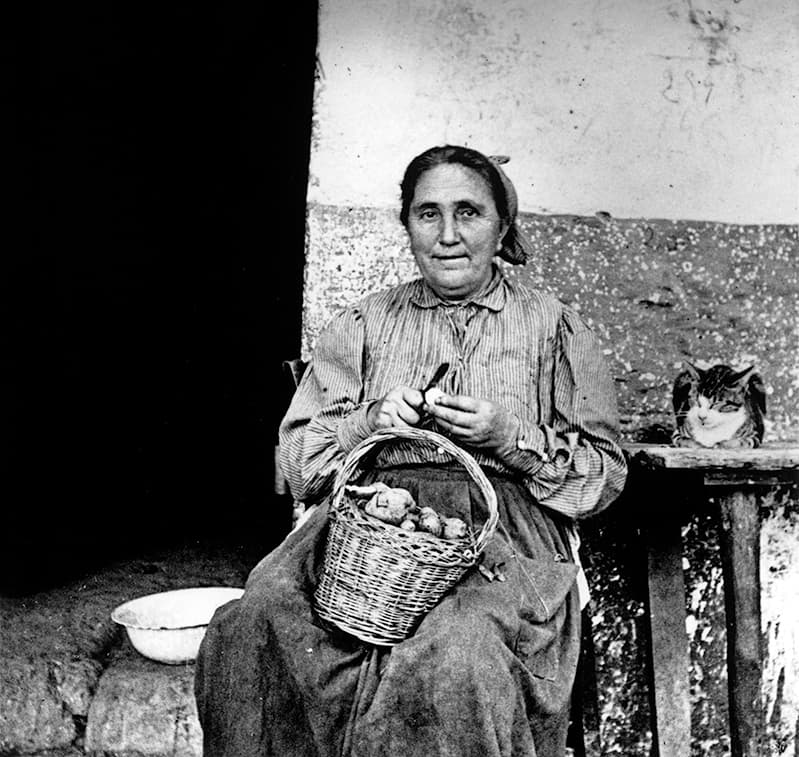
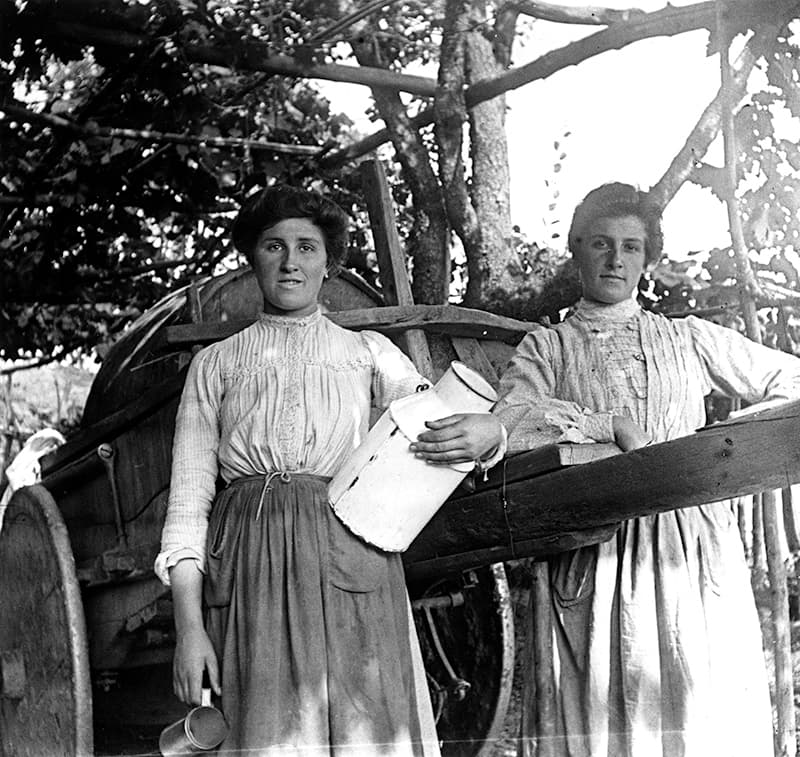
Photographs by Eulalia Abaitua
(Bilbao, 1853–1943) was contemporaneous with the chefs and businesswomen who gave the first impetus to what is now recognised as Basque cuisine, of whom there is little visual material. Abaitua photographed the society of Bilbao and Bizkaia at that time, particularly women. Here is a small sample of her enormous artistic and ethnographic work.
You may be interested…
Carré d’artistes Opens in Bilbao
Democratizing Contemporary Art

Jesús Mari Lazkano
Plastic artist
Bilbao reopens two museums
Euskal Museoa & Museo de Bellas Artes